Summarize this article with:
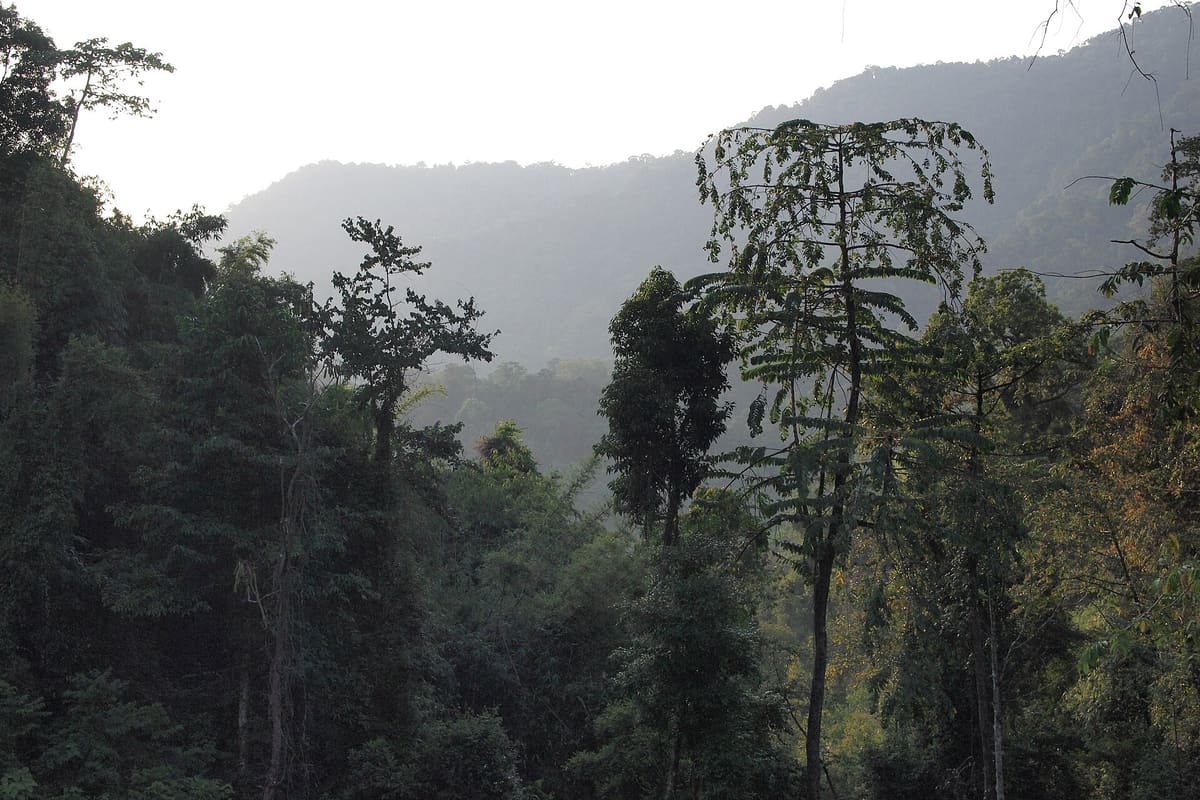
Khao Sok is tropical rainforest, and a rainforest is not a theme park. That does not make it dangerous for a visitor who walks with a guide, follows the park's closures and comes prepared, but it is worth knowing what you are walking into.
This page is deliberately short on numbers. The park reference we use does not publish incident statistics or a list of hazards, so we give none. Where a rule matters, we point to the official source instead of restating it from memory.
Khao Sok safety at a glance
| Trails | A guide is required beyond the first section of trail; long hikes, night safaris and caves always need one |
|---|---|
| Rain | Some caves close in the rainy season, and one is off limits whenever rain is forecast |
| Wildlife | Hard to see under the canopy; no sighting is ever guaranteed |
| Heat | Averages between 22 and 36 °C all year |
| Health advice | Not given here: use the official health and travel-advice pages listed at the bottom |
| Emergencies | Ask your operator or guesthouse for the local procedure before you start |
| Emergency numbers | 191 general emergency, 1155 tourist police (English), 1669 medical emergency, 1672 tourist assistance |
Wildlife: what you may actually meet
The park reference lists Asian elephants, gaur, sambar deer, Malayan sun bears and Asiatic black bears, Malayan tapirs, gibbons, macaques and hornbills among the animals of Khao Sok. Seeing any of them is a matter of luck: the forest is dense, and our sources note that wildlife is hard to spot under the canopy. Do not book a trip on the promise of a sighting.
The animals you are most likely to notice are the small ones. Forest walking in the wet tropics means leeches, biting insects, spiders and the occasional snake. We could not find a park-specific list of hazardous species or bite figures in the sources we use, so we do not name any or put a number on the risk. Your guide knows the trail and will tell you what to watch for.
The practical rules are the same as anywhere in a rainforest: stay on the trail, look before you put a hand on a branch or a rock, and keep your distance from any animal. Feeding or approaching wild animals is never a good idea, for you or for them.
Leeches and insects
Leeches are a normal part of a wet-season walk. They are a nuisance, not a danger for most people: they attach, feed and drop off, and the bite can bleed for a while afterwards. Long trousers tucked into socks, closed shoes and a look at your legs at each rest stop make most encounters harmless.
Mosquitoes and other biting insects are present around the village, the river and the lake. Insect repellent and covering your skin at dusk are the standard precautions. Whether you need any medication or vaccination for insect-borne diseases is a question for a doctor or a travel-medicine service, not for a travel guide: see the health sources below.
- Wear closed shoes and long trousers on forest trails, even in the heat.
- Check your legs, socks and waistband for leeches during breaks.
- Use repellent, and cover up at dawn and dusk.
- Clean any bite or scratch and keep it covered; see a doctor if it looks infected.
Rain, flash floods and caves
Water is the risk that deserves the most respect. The rainy season runs from late April to early December, with the heaviest rain from May to October, and the park's caves react to it.
The Nam Talu cave is closed in the rainy season because of the risk of sudden rising water. The Bang Hman cave needs a guide and is off limits if rain is forecast, because the water can rise by 5 to 7 metres. These are the park's own restrictions: do not try to work around them, and do not enter a cave without a guide.
- Ask your guide or operator whether the caves and trails you planned are open on the day.
- Do not cross a rising stream, and turn back if the water changes colour or speed.
- Rain on the mountain can matter even when it is dry where you stand; follow your guide's call.
Heat, the lake and swimming
Temperatures barely change through the year, with averages between 22 and 36 °C, so hot and humid is the default. Walk in the cooler morning hours where you can, drink regularly and take your breaks in the shade.
Cheow Lan Lake is a reservoir, and most visitors swim from a raft house or a boat. We have no source for water quality, depth or currents on the lake, so we cannot tell you where swimming is safe. Follow the instructions of the raft-house staff and the boat crew, use the life jackets they provide, and do not swim alone or after dark. Read the lake guide for how boat trips work.
Health, insurance and the pharmacy
This site does not give medical advice, vaccination advice or a list of what to pack for your health. Those depend on you, and the rules change. Before you travel, use your own government's travel-health service and the official Thai and international sources listed below, and ask a doctor if you have any doubt.
Bring the medicines you take regularly in their original packaging, and a basic kit for the small things a walk in the forest produces: blisters, scratches and bites. Nearby towns have pharmacies, but the village is small, so do not plan on finding a specific product. Travel insurance that covers medical care and evacuation is worth checking before you go; read the policy for what counts as an adventure activity.
Getting help
Ask your guesthouse, raft house or tour operator how to reach help and where the nearest clinic is before you head into the park, and keep your phone charged. Signal can be weak on the trails and on the lake, so tell someone your plan. The numbers published by the Thai government and the Tourism Authority of Thailand are 191 for the general emergency line, 1155 for the tourist police (English, 24 hours), 1669 for a medical emergency and an ambulance, and 1672 for tourist assistance. For consular help, use your embassy's page and the official travel advice for Thailand.
Follow the official advice, not ours
Park closures, cave access and safety rules are set by the park and change with the weather: confirm them at the ticket office or with your guide on the day. For vaccinations, health risks and travel warnings, use the sources at the bottom of this page.
Last verified 29 September 2026
Sources and further reading
- Department of National Parks (DNP) portal
- Thai National Parks: Khao Sok National Park
- Out Thailand: Khao Sok National Park guide
- CDC Travelers' Health: Thailand
- German Federal Foreign Office: Thailand travel and safety advice
- Thai Meteorological Department
- Thailand.go.th (official portal): emergency contact numbers
- Tourism Authority of Thailand: 1155 tourist police
Frequently asked questions
For a visitor who walks with a guide and follows the park's closures, the main risks are everyday ones: leeches, insect bites, heat, slippery trails and heavy rain. The serious risk is water in the caves during rain, which is why some caves close and others are off limits when rain is forecast.
Leeches are a normal part of walking in a wet rainforest, especially in the rainy season. Long trousers, closed shoes and regular checks keep most encounters harmless.
The park reference lists Asian elephants and Asiatic black bears among the animals of Khao Sok, but wildlife is hard to see under the canopy and no sighting is guaranteed. We cannot promise one, and we would be wary of any tour that does.
Yes for anything beyond the first part of the trail: long hikes, night safaris and caves require a guide. See the park guide for the details.
Nam Talu is closed in the rainy season because of the risk of sudden rising water. Bang Hman needs a guide and is off limits if rain is forecast. Confirm the current status with the park or your guide.
We have no source on water quality or currents, so we cannot say where swimming is safe. Swim where the raft-house staff say it is fine, wear the life jacket they give you and never swim alone or after dark.
We do not give health advice. Ask a doctor or a travel-medicine service, and check your government's travel-health page for Thailand.
191 is the general emergency line, 1155 the tourist police (English, 24 hours), 1669 the medical emergency and ambulance number, and 1672 the tourist assistance centre of the Tourism Authority of Thailand. Signal is weak on the Khao Sok trails and on the lake, so keep the numbers saved offline.